好文分享
They say that if you don't know where you've come from, you won't know where you're going. In honor of the Taiwan Wild Bird Federation's 35th anniversary, we take a look at Taiwan's journey from relative ornithological obscurity to its current leadership in bird conservation and citizen science, together with the role that the TWBF and its partners have played in this years-long process of development.
They say that if you don't know where you've come from, you won't know where you're going. In honor of the Taiwan Wild Bird Federation's 35th anniversary, we take a look at Taiwan's journey from relative ornithological obscurity to its current leadership in bird conservation and citizen science, together with the role that the TWBF and its partners have played in this years-long process of development.
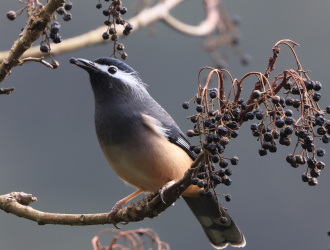
They say that if you don't know where you've come from, you won't know where you're going. In honor of the Taiwan Wild Bird Federation's 35th anniversary, we take a look at Taiwan's journey from relative ornithological obscurity to its current leadership in bird conservation and citizen science, together with the role that the TWBF and its partners have played in this years-long process of development.
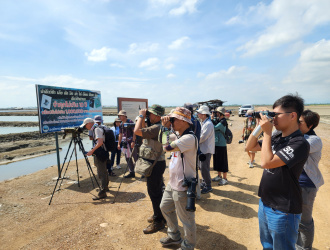
The Taiwan Wild Bird Federation (TWBF) and the alliance of conservation groups from Taiwan focusing on salt pan wetland conservation visited the Bird Conservation Society of Thailand (BCST) for three days from 14-16 November 2023. They came to experience and learn about key sites for shorebird conservation in privately-owned protected areas in Thailand.
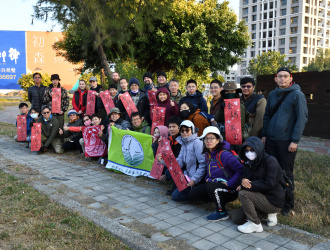
The Czech Society of Ornithology Director Zdeněk Vermouzek recouts his experience while visiting Taiwan for the first time with his family in December of 2022.